

Security for fast-shipping SaaS
You shipped fast. Now make it safe.
Security, infrastructure and compliance for SaaS teams whose app is live, growing and was built at speed.
Security for fast-shipping SaaS
Security, infrastructure and compliance for SaaS teams whose app is live, growing and was built at speed.
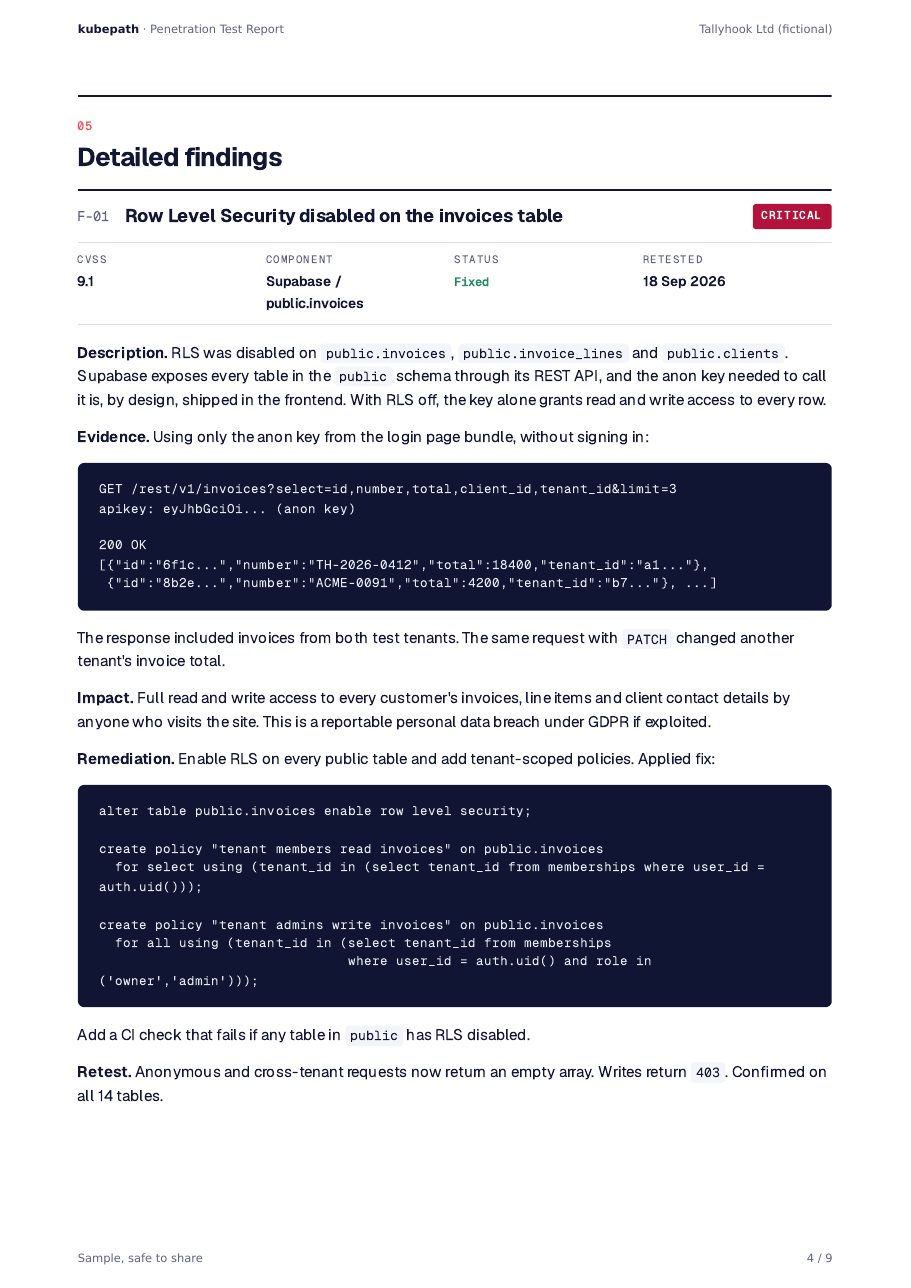
Open database rules, keys in the frontend, one customer reading another's data. It works fine until someone looks.
Manual testing by a named engineer, aimed at what breaks SaaS: auth, tenant isolation, APIs and cloud config.
Fixes arrive as pull requests on a separate branch, explained line by line, with your key flows checked after.
A retest and a closure letter your auditor or enterprise buyer will accept.
These are the ten problems we find most often in fast-shipped SaaS.
Recognised two or more? Talk to us before your next customer does.
What we do

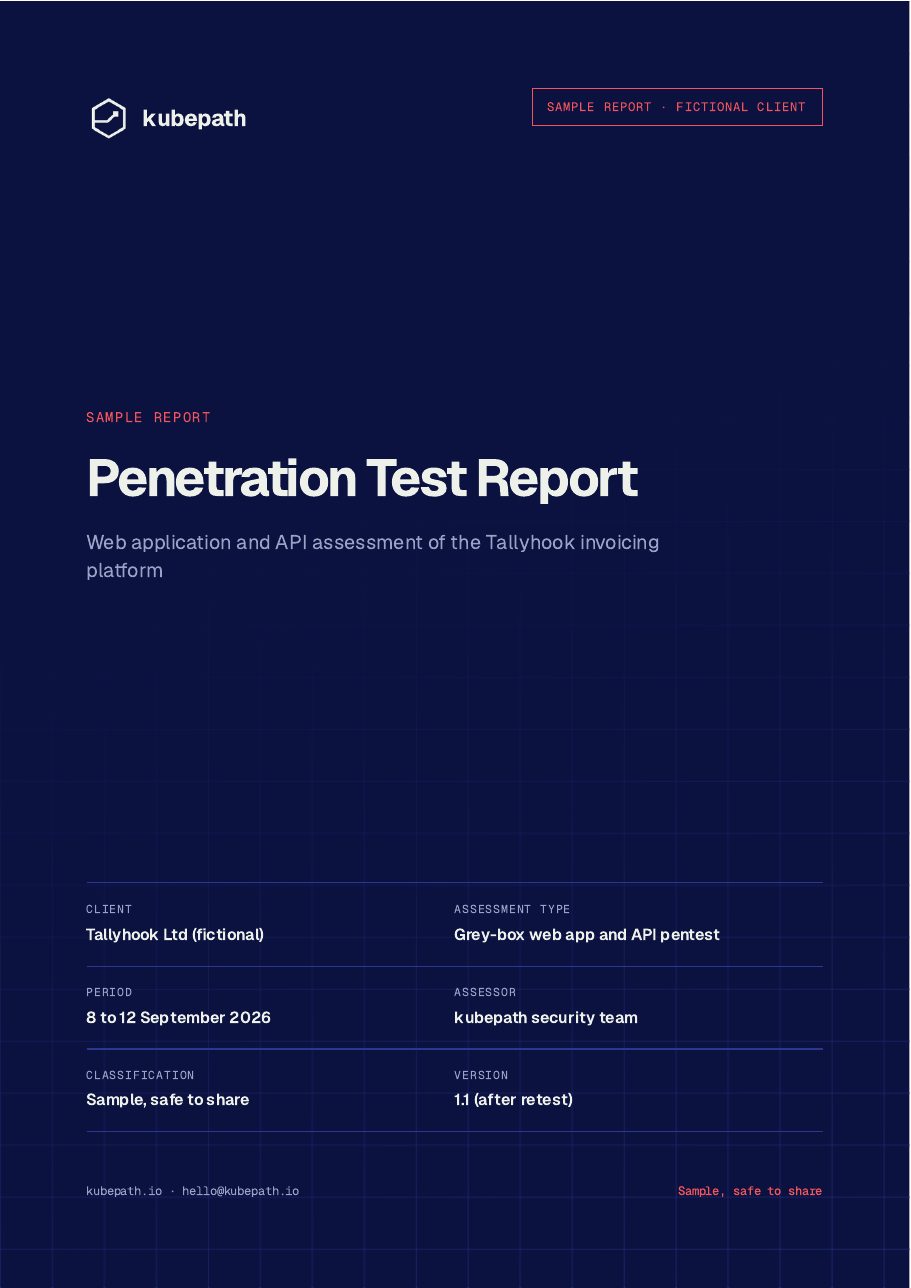
Manual web app and API testing your enterprise buyers will accept.

For apps built with Cursor, Lovable or Bolt. We review, fix in your repo and retest.

Implement controls once, map them to both frameworks, pass the audit.

Safe deploys, locked-down cloud, real backups and monitoring.

Think you've been hacked? Fast triage, evidence and containment.
30 minutes, free. Your stack, your deadline and what is driving it.
Clear scope, deliverables and timeline. No open-ended hourly.
Manual work by a named engineer, never on production without written approval.
Prioritised findings, and pull requests in your repo if you want them fixed.
Proof of what is resolved, ready for your customers or auditor.
Questions
No. We use tools for coverage, but every engagement is led by manual testing. Scanner output on its own is not a pentest.
No destructive testing on production without your written approval. We prefer staging and agree the rules before we start.
Yes. Reports include scope, methodology, severity ratings and a retest letter in the format auditors and enterprise security teams expect.
Both. We open pull requests against your repo and retest after.
We get you ready and support you through the audit. The SOC 2 report comes from a licensed CPA firm and the ISO certificate from an accredited body.
A scoping call, test accounts and a signed authorisation. We sign an NDA first.
30 minutes, free. You leave knowing your biggest risks, even if you don't hire us.